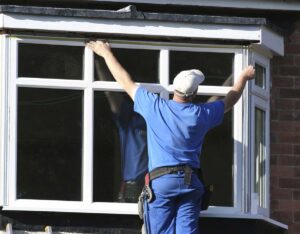
11 "Faux Pas" That Are Actually Acceptable To Create With Your Double Glazing Upgrade


A Comprehensive Guide to Double Glazing Upgrade
Double glazing has become increasingly popular amongst homeowners seeking to enhance energy performance, lower sound contamination, and boost the value of their home. Comprehending the different aspects of a double glazing upgrade can help people make notified decisions. In this thorough guide, we dig into the advantages of double glazing, the factors to consider to consider throughout an upgrade, and the regularly asked questions surrounding this procedure.
What is Double Glazing?
Double glazing describes the installation of 2 panes of glass in a window frame, with a space between them that is often filled with argon gas. This design supplies much better insulation compared to single-pane windows, assisting to keep a constant indoor temperature level no matter the weather exterior.
Benefits of Double Glazing
A double glazing upgrade can yield numerous advantages for house owners. Below are a few of the most compelling reasons to consider this improvement:
- Energy Efficiency: Double glazed windows can substantially reduce heating and cooling expenses by preventing heat loss throughout winter and keeping heat out during summer.
- Noise Reduction: The numerous layers of glass supply remarkable insulation versus outdoors noise, making homes quieter and more comfy.
- Increased Security: Double glazed windows are harder to break than single-pane glass, supplying an included layer of security versus prospective burglars.
- Condensation Control: The insulating residential or commercial properties of double glazing decrease the likelihood of condensation forming on windows, which can result in mold development and damage.
- Boosted Property Value: Investing in double glazing can increase the market value of a home due to its energy efficiency and visual appeal.
Factors to consider for Upgrading to Double Glazing
Before starting a double glazing upgrade task, house owners must consider numerous key elements:
| Consideration | Description |
|---|---|
| Kind of Glass | The option in between Low-E glass, tempered glass, or laminated glass can affect performance. |
| Frame Material | Frames are available in various materials, consisting of uPVC, wood, and aluminum, each with its advantages. |
| Cost | Budget for both the initial installation and possible cost savings on energy costs in the long run. |
| Installation Process | Pick professional installers to guarantee correct sealing and fitting of the windows. |
| Local Regulations | Look for any building regulations or restrictions within your location that may affect installation. |
Types of Double Glazing
There are numerous types of double glazing systems available on the market, including:
- Standard Double Glazing: This is the most common type, including 2 panes of glass with a space in between, usually filled with argon gas.
- Triple Glazing: Featuring 3 panes of glass, this alternative offers even better insulation but might come at a higher cost.
- Secondary Glazing: A secondary pane is set up on the within existing windows, providing an extra layer of insulation without changing the entire window.
When selecting a type, it is vital to consider the particular needs of the home and the environment of the location.
Setup Options
Double glazing setup can be carried out through different approaches, consisting of full window replacement or the addition of secondary glazing. Each alternative has its distinct benefits:
- Full Replacement: Involves removing the existing window and frames and installing new double-glazing units. www.repairmywindowsanddoors.co.uk is often more efficient and takes full advantage of insulation.
- Secondary Glazing: This is a more cost-effective option that includes including an extra pane of glass to the existing window. It is especially useful for listed structures where changing initial windows is not acceptable.
Often Asked Questions (FAQs)
1. For how long does a double glazing installation take?
The typical setup for a basic home can take between a few hours to a number of days, depending upon factors such as the number of windows and the setup technique utilized.
2. Will I require preparing approval for double glazing?
Most of the times, house owners do not require preparing approval for double glazing installation; nevertheless, it is very important to seek advice from local authorities, especially in conservation areas or if the property is noted.
3. How do I preserve double-glazed windows?
Double-glazed windows are fairly low upkeep. Routine cleansing of the glass and frames and checking the seals for any signs of wear or damage will help ensure longevity.
4. Is double glazing worth the investment?
Yes, while the upfront expense of double glazing can be significant, the long-lasting cost savings on energy costs, increased comfort, and boosted residential or commercial property worth generally make it a worthwhile investment.
Upgrading to double glazing is an outstanding method to enhance the energy performance, comfort, and security of a home. With various options offered, it's essential for house owners to weigh the advantages and factors to consider before deciding. By making informed choices and using expert setup services, house owners can enjoy the numerous advantages that double glazing needs to offer.
Summary of Key Points
- Double glazing enhances temperature level insulation, noise reduction, and security.
- Secret considerations include the choice of glass type, frame product, and installation approach.
- Expert setup is important for ideal performance and longevity.
- Routine upkeep is required to keep the condition of double-glazed windows.
A double glazing upgrade not only assures a more comfortable living environment however also represents a sound financial investment in a contemporary, sustainable home.